Mastering the craft of at-home hair cutting requires more than just basic scissors and a reflection setup. It involves knowledge of hair texture, natural growth direction, and the correct use of grooming tools. With the rise of at-home hair cutting, many individuals are deciding to maintain their haircuts and facial hair without going to a barbershop. This approach can reduce time and support regular maintenance when done properly. Developing proper technique and investing in high-quality barbering equipment can result in a seamless grooming experience that looks professional and polished.
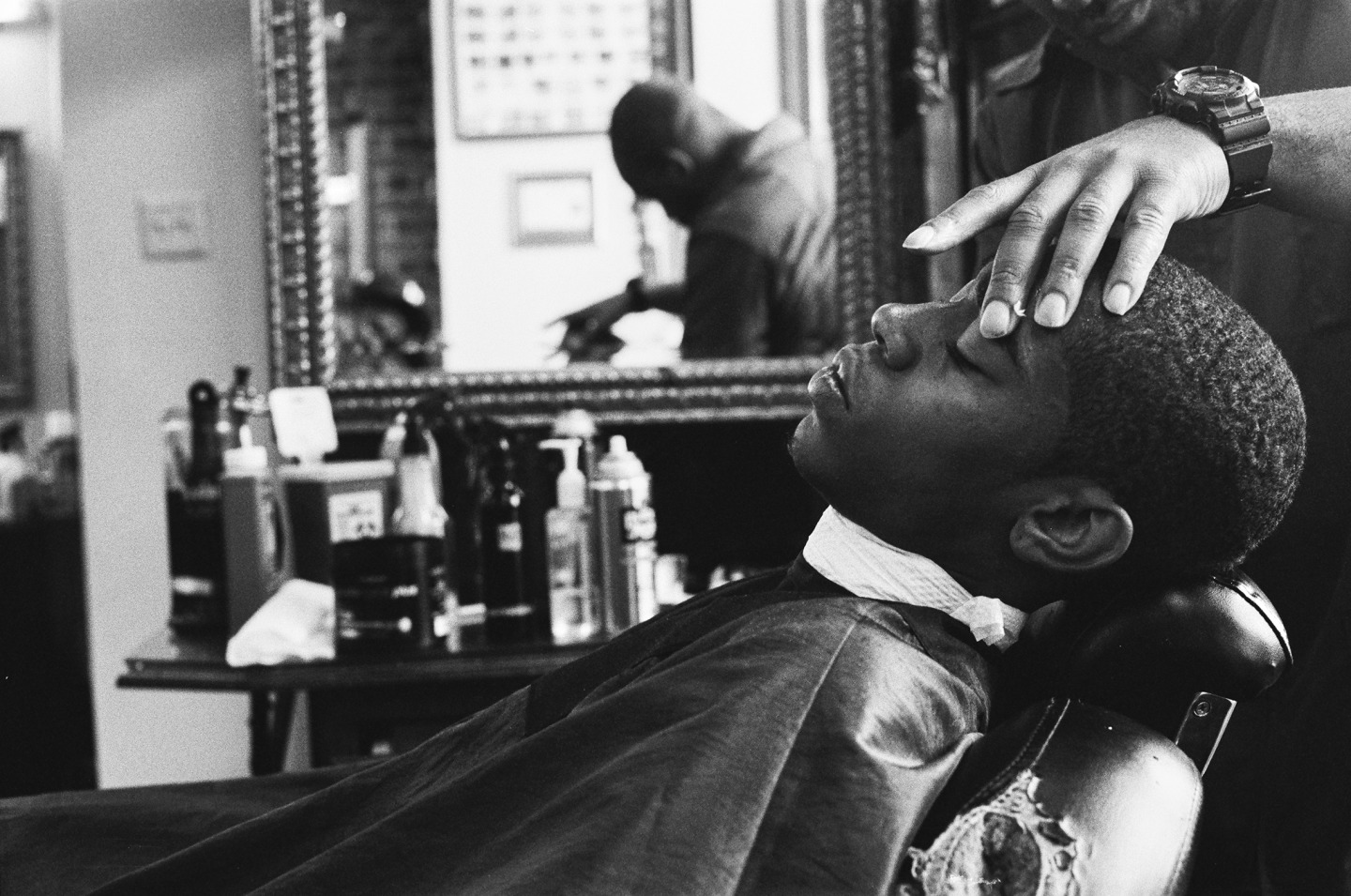
A successful home barbering station begins with professional-grade clippers and detail trimmers. Electric clipping devices with multiple guard sizes provide precise management over hair length and layer transitions. Cordless models provide flexibility and greater control of movement, while plug-in options deliver steady performance during longer cutting periods. In supplement, sharp cutting shears are necessary for refining perimeters and shaping layers. A precision edger is also valuable for shaping facial edges, outlining the nape, and maintaining beards. Using reliable equipment enhances precision and reduces inconsistent results.
Preparation serves a key function in producing consistent outcomes. Freshly washed, dry hair is simpler to cut and shape because it shows the true fall and thickness. Before starting, it is important to detangle the hair to eliminate tangles and spot sections that may require special attention. Creating a well-lit workspace with a portable mirror helps with checking the rear and sides of the head. A barber cape or covering keeps loose hair off garments and prevents discomfort. These simple setup measures promote a seamless styling session and minimize common mistakes.
Proper technique and careful execution are essential for barber-quality outcomes. Cutting manageable sections at a time allows for greater accuracy and smoother blending. When operating hair clippers, guiding navigate to this site against the grain of hair growth creates an even finish. Tapering and tapering require steady adjustments in guard length to create a natural shift between different hair lengths. Frequently reviewing symmetry on both sides of the head helps preserve proportion and structure. Taking short pauses to evaluate progress from multiple angles can avoid overcutting and uneven lines.
Proper maintenance of grooming equipment is equally important for continued performance. look here Cleaning clipper blades after each session removes hair buildup and reduces bacteria growth. Applying lubricating oil limits friction and extends the durability of tools. Careful storage in a dry space keeps equipment in optimal shape and ready for future use. By integrating the appropriate tools, thorough preparation, and disciplined technique, home-based barbering becomes an efficient and dependable self-care practice. With regular effort and attention to detail, home-based grooming can regularly produce an polished and well-groomed look.